
Monday, April 1, 2019
Hong Kong 97 Review
There’s something that piques my interest about games that
are hard to find. Obviously they have
collector’s value and that almost makes playing them feel like a privilege,
like getting to see one-of-a-kind artifacts in person. I have a few games myself that are considered
pretty rare, like One Piece: Unlimited Adventure and Dokapon Kingdom, but for
some of the obscenely rare ones like Limbo of the Lost, which was taken off
store shelves within a week and only in another country, you pretty much have
no choice but to pirate them. Such is
this case with Hong Kong 97, probably the single rarest game I’ve ever heard
of. It was released only in Japan

Friday, March 1, 2019
Resident Evil 2: The Board Game Review
Video games making a transition to tabletop games is as old
as the games themselves, dating all the way back to the Pac Man board
game. With enough effort into the
design, some of them work really well, like the Doom board game (both the old
one and the one based on the remake from Fantasy Flight Games) or the Exceed system putting Street Fighter and Shovel Knight characters in the game.
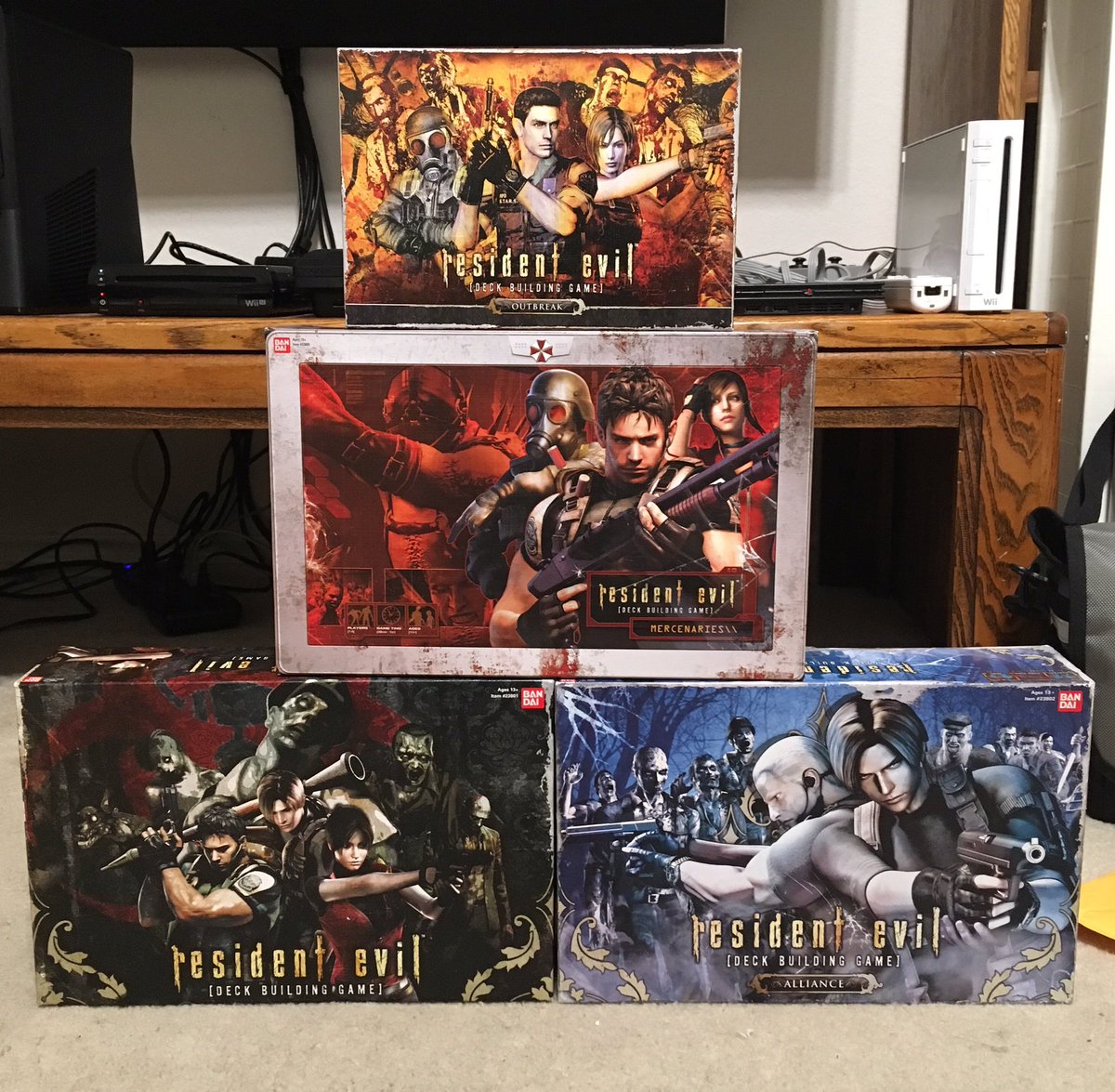

Being a Resident Evil fan, I’m fond of the Resident Evil
Deck Building Game, a highly customizable card game about inventory management
featuring screenshots, characters and monsters spanning all the Resident Evil
games up to 5. I have 4 of the 5 sets
available and it’s a great game I never run out of new ways to play with.
After seeing how well Resident Evil could be made into a
deck builder, I was really intrigued about the Resident Evil 2 board game by
Steamforged Games, who previously made the Dark Souls board game. I haven’t played that one, in fact I haven’t
played any of the Dark Souls video games either, but from what I can tell audience
reactions were mixed. Looking past that,
the developer’s blog detailing the way the RE2 board game translates the video
game as well as how they balanced and tested it really drew me in with the
level of detail and thought they were putting into the board game.
I wanted to contribute to the Kickstarter, but was only one
week late for the deadline by the time I even found out it existed so I ended
up getting the core game and the “B-files” expansion at retail prices online
because it doesn’t seem like any game stores are selling it yet. Being a highly detailed board game, it costs
a premium. In total those two boxes cost
me $130 dollars and that was after I found lower prices and got some shipping
and tax off. How much it’s really worth
will vary from person to person, but even if it’s a bad game, it might be worth
it for the collector’s value. It’s a
good thing then that it’s a great game as well.
Thursday, February 7, 2019
MDK2 Review
[Note: This review was written way back in 2011 before this blog even existed, though a few minor grammar mistakes have been changed. Thought it might be neat to share one of the oldies.]
One thing I have always wanted out of Wiiware and the
Virtual console is more games from the late 90s, the N64 era. Being a kid raised on the system, I’ve never
been bothered by their now-primitive technical capabilities, and having a game
in 3D allows for better immersion and emulation of modern day games. Unfortunately, most of the N64 games on the
virtual console I either already have or didn’t really interest me, so it was a
breath of fresh air to finally get the kind of game I was looking for with the
Wiiware release of the 1998 PC game MDK2, and while the game certainly shows
its age, it’s still a fairly enjoyable experience.

Saturday, February 2, 2019
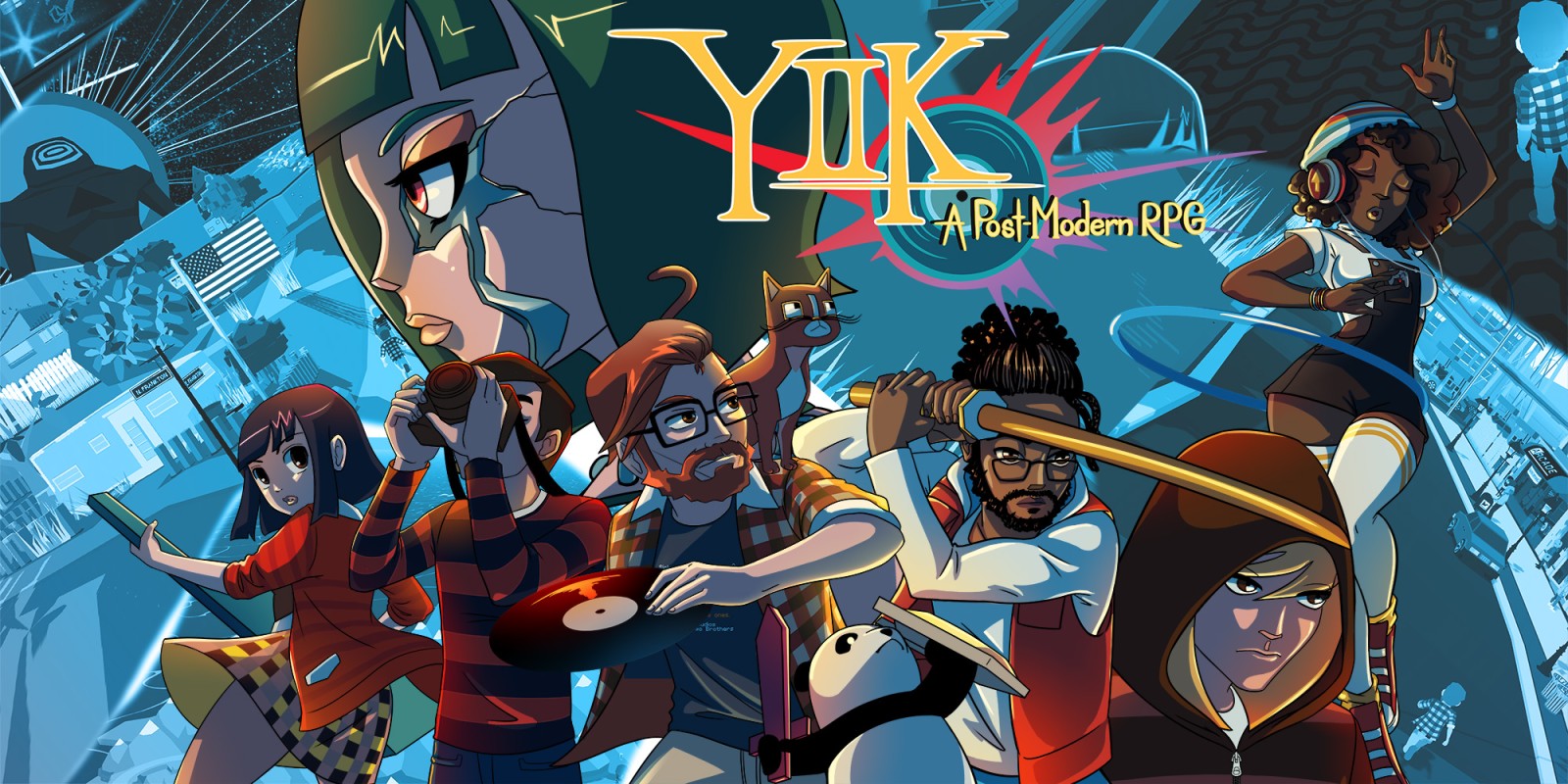
YIIK: A Postmodern RPG Review
While I am definitely a fan of JRPGs (I seem to be one of
the only people who likes the original Persona’s remake), I’ve never played
some of the more talked-about ones like Earthbound or, even still, Persona 5 (that
will be a while). I’ve also never been into
what’s called “post-modernism.” I guess
I interpret things too logically. I
didn’t take much interest in Undertale and the apparent metacommentary in the
Danganronpa games and Metal Gear Solid 2 fly right over my head. I may not be the target audience for a game
that calls itself a “postmodern RPG”, but I keep an open mind and I can get
behind a game made by 90s gamers full of strangeness and references. Plus I can recommend practically anything,
even a little bit, if the writing’s good, no matter how dreary the rest of it
is. As for whether or not it deserves
any recommendation at all, that’s what we’re here to find out.
Monday, December 10, 2018
Persona 3: Dancing in Moonlight Review
I was very late to play Persona 4: Dancing All Night.
I remember the hype back when it came out, but I didn’t pay it much mind.
Compared to the likes of The Rhythm of Fighters and especially
Theatrhythm Final Fantasy: Curtain Call, Dancing All Night’s song list looks
really paltry. It limits itself to one game and its spin-offs and a good
fraction of the songs are remixes, limiting its actual track list even
further. I knew there was a story to it,
but I didn’t think it could be anything more than a joke scenario or half-baked
excuse to get everyone dancing, like Senran Kagura Dekamori.

Once I actually got around to playing it, I loved it.
The whole game radiated energy and fun.
The dancing, music and accompanying visuals made for an explosion of
color and lights like it was party time all the time, right down to the
menus. Simply buying stuff had Tanaka’s
notoriously catchy and in-your-face theme play while Patrick Seitz yells at you
and the menu music was always on point.
You could dress up everyone in all sorts of outfits for added flair and
all the songs had a variety of partners with their own little duo dances during
the mid-sections.
The story was better than I expected too. The dancing
was worked into an established theme that fit with the Persona universe and it
had a lot of detail put into what was happening. It was great seeing
returning characters like Nanako and Kojima contribute to the plot and the new
characters were very sweet and endearing.
It was a solid and highly polished package and I wish I played it
sooner.
As you can expect, that got me excited for the new dancing
games based on Persona 3 and 5, but mostly 3 because I played it many years ago
and in recent years have come off the arena games and Persona Q, familiarizing
myself with the cast even more. I’m currently in the process of playing
every Persona game in order and I’m still on 2: Innocent Sin so I haven’t
played Persona 5. As far as I’m aware,
the main character has a bunch of crystal skulls and fights Batman, Viewtiful Joe,
Klonoa and Hitler.
My excitement took a hit after it was announced that the
Playstation Vita version of the game would not be available for retail and
would only be available for download. We all know what I think about that.
I would get more mad, but Atlus has been in my good graces,
unlike Bandai Namco. Atlus has always
been very good about releasing Vita games physically. The Vanillaware
trilogy, all the Persona games and even lesser games like Conception 2 have all
been on cartridges. Atlus is like Bandai Namco’s good counterpart that
actually cares and doesn’t want to be garbage.
I’m going to give them the benefit of the doubt and assume that this is
an honest mistake on somebody’s part there. With Vita cartridges ending
production in 2019, someone may have missed a deadline or something.
They try to offset this major shortcoming with bonuses and
pricing. Vita owners buying it on the first week get Vita-exclusive
costumes, but those costumes were available on the physical version in Japan Japan
Since I haven’t played Persona 5 and know barely anything
about it, I’m sticking to Dancing in Moonlight for this review so I know more
than half of what I’m writing about.
Subscribe to:
Posts (Atom)