Wednesday, April 3, 2019

428: Shibuya Scramble Review

Most visual novels don’t capture my attention.  I can read an ungodly amount of text in games, but that’s only when they’re accompanied by gameplay and visualized with detail.  I can read all those files describing monsters and biological functions in Resident Evil’s history, but that’s because you get to see those aspects in practice.  I love the Ace Attorney games and Zero Escape games, but those are broken up with puzzles and interaction on the player’s part (and in 999’s case, the long-winded text did wear on me).  I couldn’t even get an hour into Doki Doki Literature Club because it’s so visually uninteresting.  I know I can’t expect much from that example since it’s a free game, but the majority of visual novels are made like that.  Too much telling, not enough showing.

This is all a preface to why I bothered with the visual novel 428: Shibuya Scramble.  The game has long walls of text and essentially no gameplay so there would have to be something major to set it apart and at a glance that something isn’t apparent.  There is one very important person who made this a must-buy: Yukinori Kitajima.

I’ve mentioned Kitajima more than once on this blog.  He’s the writer of the excellently written Senran Kagura games, the 3DS Ace Attorney games (including working with the Professor Layton writer in their crossover), the underrated Okamiden and at least contributed to the aforementioned 999.
Before all of those, Kitajima’s claim to fame was 428.  It was originally released on the Wii in 2008 and was showered with praise, being one of the very few games/visual novels to ever get a perfect score in the Japanese gaming magazine Famitsu.  After the initial release it was ported to the PS3, PSP and iPhones to reach even more players.

In Japan.

And nowhere else.

It took a full decade for it to finally come out in America and I wanted to play it for about half of that time after being exposed to Kitajima’s genius.  It was finally translated and localized by Spike Chunsoft in 2018.  For reasons I’ll get into, it’s kind of understandable as to why it wasn’t originally released.


Monday, April 1, 2019

Hong Kong 97 Review

There’s something that piques my interest about games that are hard to find.  Obviously they have collector’s value and that almost makes playing them feel like a privilege, like getting to see one-of-a-kind artifacts in person.  I have a few games myself that are considered pretty rare, like One Piece: Unlimited Adventure and Dokapon Kingdom, but for some of the obscenely rare ones like Limbo of the Lost, which was taken off store shelves within a week and only in another country, you pretty much have no choice but to pirate them.  Such is this case with Hong Kong 97, probably the single rarest game I’ve ever heard of.  It was released only in Japan on floppy discs for the Super Famicom, but they’re impossible to actually find.  Even pictures of physical copies online are hard to find and stores refused to sell it when it first came out.  After playing it for myself, I think I have an idea as to why.

Friday, March 1, 2019

Resident Evil 2: The Board Game Review

Video games making a transition to tabletop games is as old as the games themselves, dating all the way back to the Pac Man board game.  With enough effort into the design, some of them work really well, like the Doom board game (both the old one and the one based on the remake from Fantasy Flight Games) or the Exceed system putting Street Fighter and Shovel Knight characters in the game.

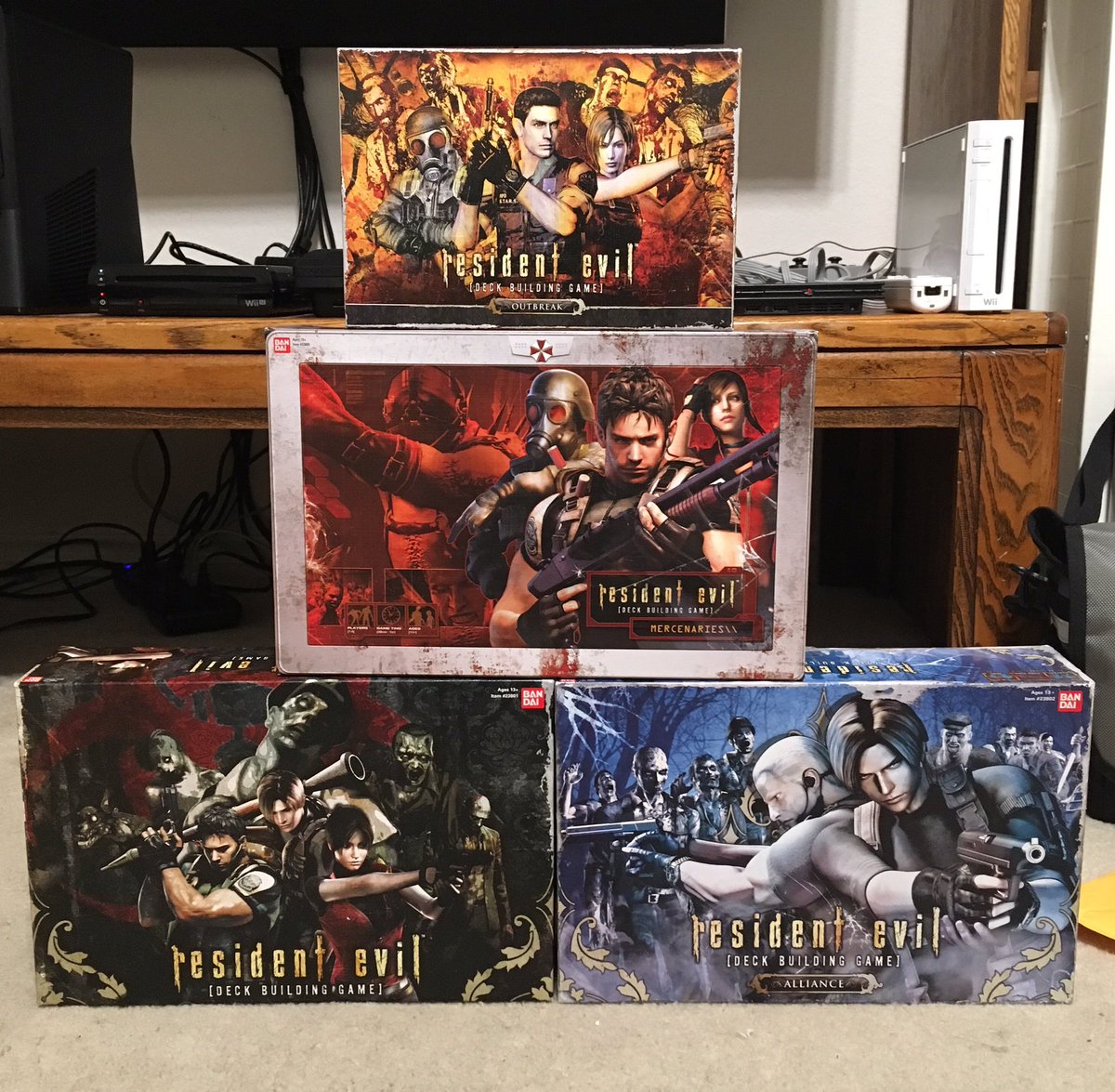
Being a Resident Evil fan, I’m fond of the Resident Evil Deck Building Game, a highly customizable card game about inventory management featuring screenshots, characters and monsters spanning all the Resident Evil games up to 5.  I have 4 of the 5 sets available and it’s a great game I never run out of new ways to play with.


After seeing how well Resident Evil could be made into a deck builder, I was really intrigued about the Resident Evil 2 board game by Steamforged Games, who previously made the Dark Souls board game.  I haven’t played that one, in fact I haven’t played any of the Dark Souls video games either, but from what I can tell audience reactions were mixed.  Looking past that, the developer’s blog detailing the way the RE2 board game translates the video game as well as how they balanced and tested it really drew me in with the level of detail and thought they were putting into the board game.

I wanted to contribute to the Kickstarter, but was only one week late for the deadline by the time I even found out it existed so I ended up getting the core game and the “B-files” expansion at retail prices online because it doesn’t seem like any game stores are selling it yet.  Being a highly detailed board game, it costs a premium.  In total those two boxes cost me $130 dollars and that was after I found lower prices and got some shipping and tax off.  How much it’s really worth will vary from person to person, but even if it’s a bad game, it might be worth it for the collector’s value.  It’s a good thing then that it’s a great game as well.

Thursday, February 7, 2019

MDK2 Review

[Note: This review was written way back in 2011 before this blog even existed, though a few minor grammar mistakes have been changed.  Thought it might be neat to share one of the oldies.]

One thing I have always wanted out of Wiiware and the Virtual console is more games from the late 90s, the N64 era.  Being a kid raised on the system, I’ve never been bothered by their now-primitive technical capabilities, and having a game in 3D allows for better immersion and emulation of modern day games.  Unfortunately, most of the N64 games on the virtual console I either already have or didn’t really interest me, so it was a breath of fresh air to finally get the kind of game I was looking for with the Wiiware release of the 1998 PC game MDK2, and while the game certainly shows its age, it’s still a fairly enjoyable experience.


Saturday, February 2, 2019

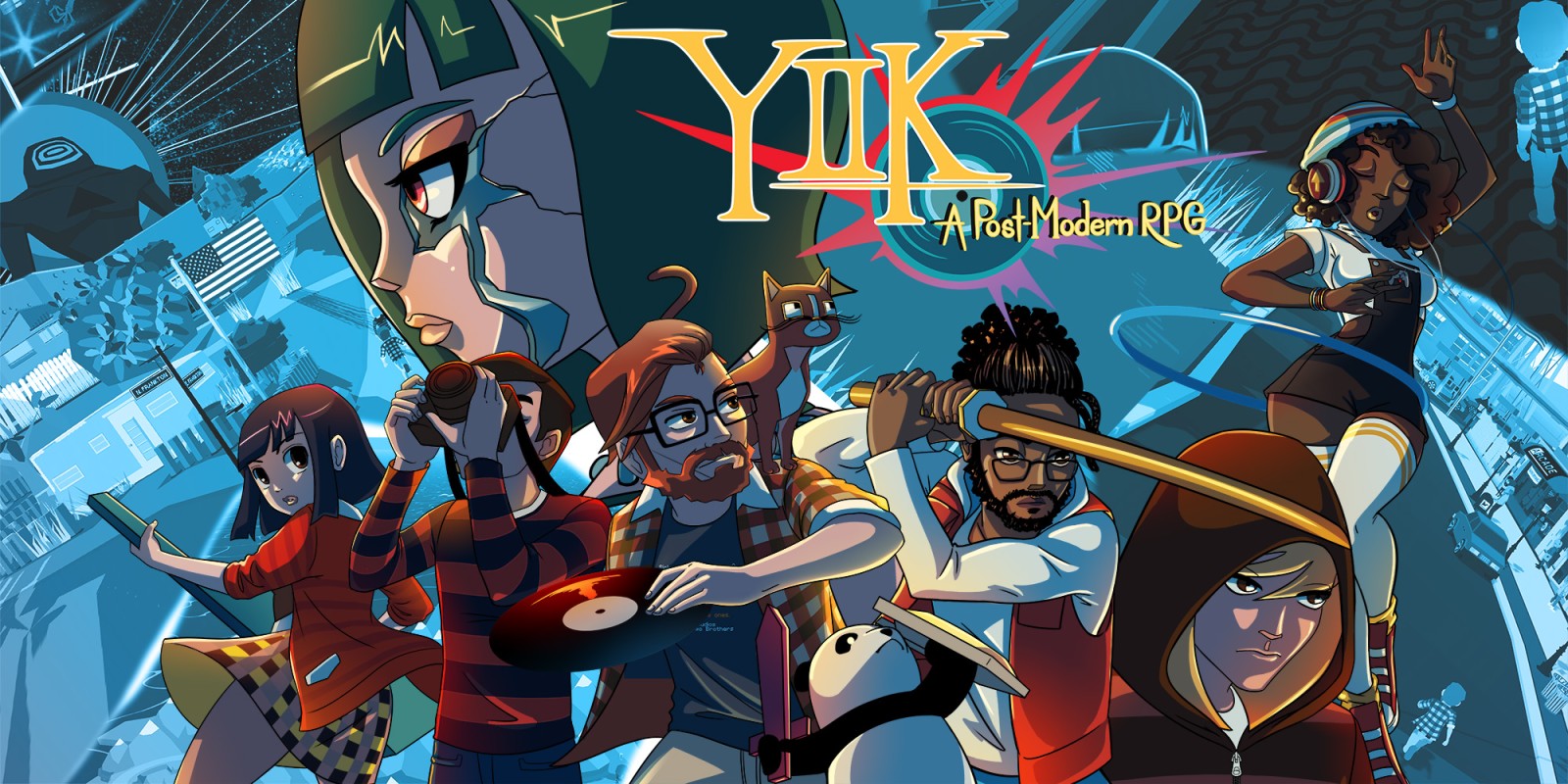
YIIK: A Postmodern RPG Review

While I am definitely a fan of JRPGs (I seem to be one of the only people who likes the original Persona’s remake), I’ve never played some of the more talked-about ones like Earthbound or, even still, Persona 5 (that will be a while).  I’ve also never been into what’s called “post-modernism.”  I guess I interpret things too logically.  I didn’t take much interest in Undertale and the apparent metacommentary in the Danganronpa games and Metal Gear Solid 2 fly right over my head.  I may not be the target audience for a game that calls itself a “postmodern RPG”, but I keep an open mind and I can get behind a game made by 90s gamers full of strangeness and references.  Plus I can recommend practically anything, even a little bit, if the writing’s good, no matter how dreary the rest of it is.  As for whether or not it deserves any recommendation at all, that’s what we’re here to find out.